Summer kayak trips on the LA River
Choose your adventure
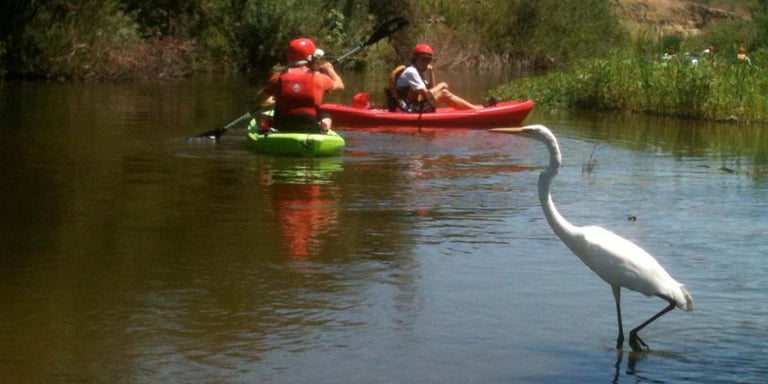
Sepulveda Basin
Near Van Nuys, in San Fernando Valley
Top rated by 100+ clients
★★★★★
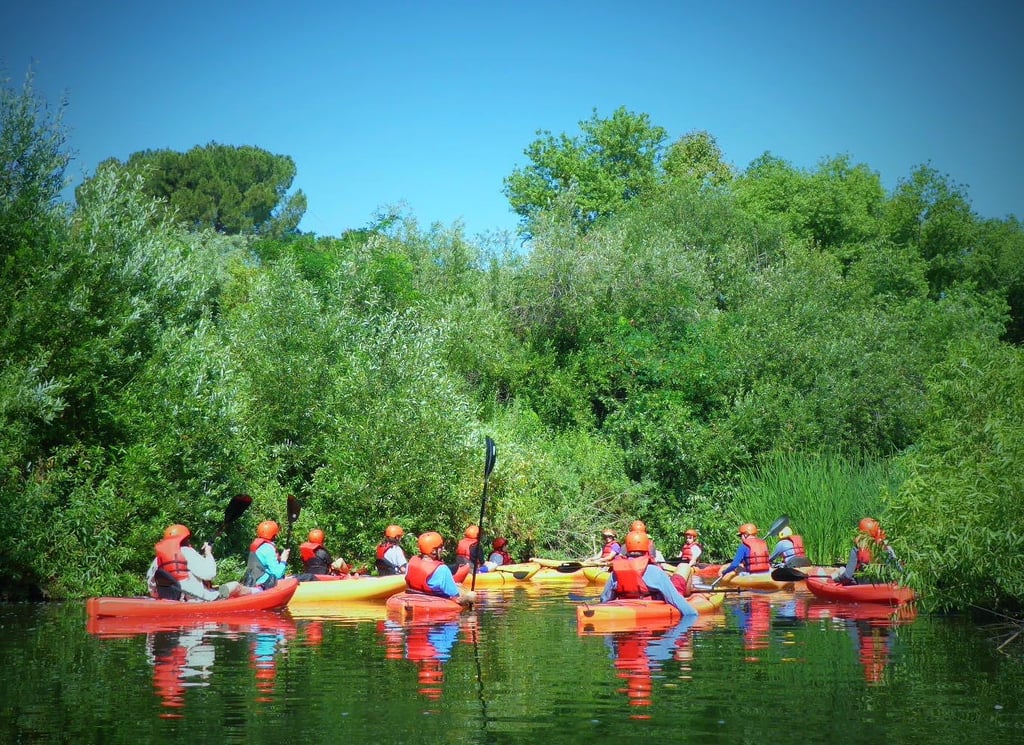
Peaceful, the best nature on the river, low-no concrete, large trees, looks like a real river. Best for beginning kayakers and eager environmentalists.
"This experience is incredible [...] Amazing to see all the wildlife and plants thriving here. The Sepulveda Basin section is a really easy kayak. The guide was fun and full of information."
- MC G. on Yelp
Elysian Valley
Near Frogtown & Glendale, Downtown
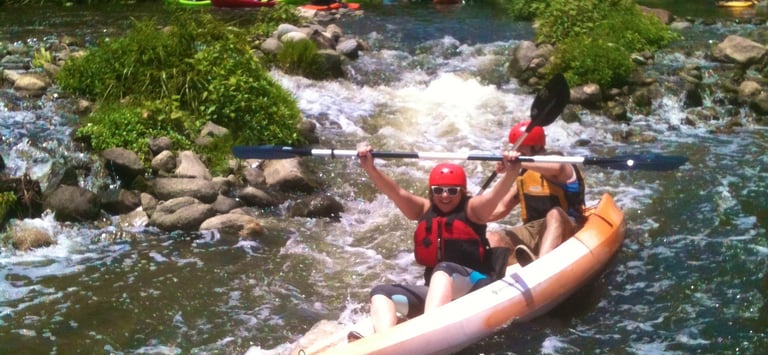
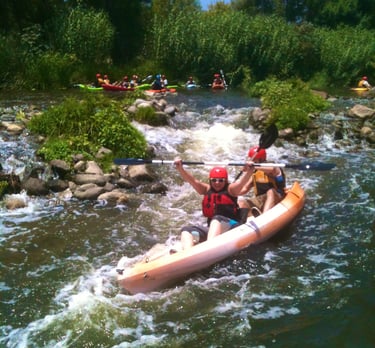
Sporty, some light rapids, cuts right through a vibrant section as the river approaches Dodger Stadium. Basic kayaking skills recommended. Sometimes also known as the Glendale Narrows.
"My husband, our son and I kayaked the Glendale Narrows in June and wow it was so much fun...also an eye opener!"
- Lucinda C. on Yelp
★★★★★
Top rated by 100+ clients
Private Tours
Got a group you'd like to paddle with, for fun or to mark a special occasion? Speak to a staff member to reserve your private summer tour (guides & equipment provided).
Community Organizations Bond with your people
Corporate Events Team up and paddle on
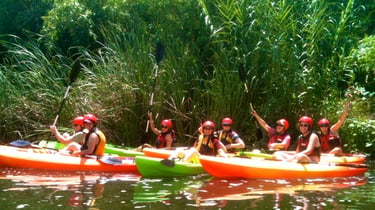
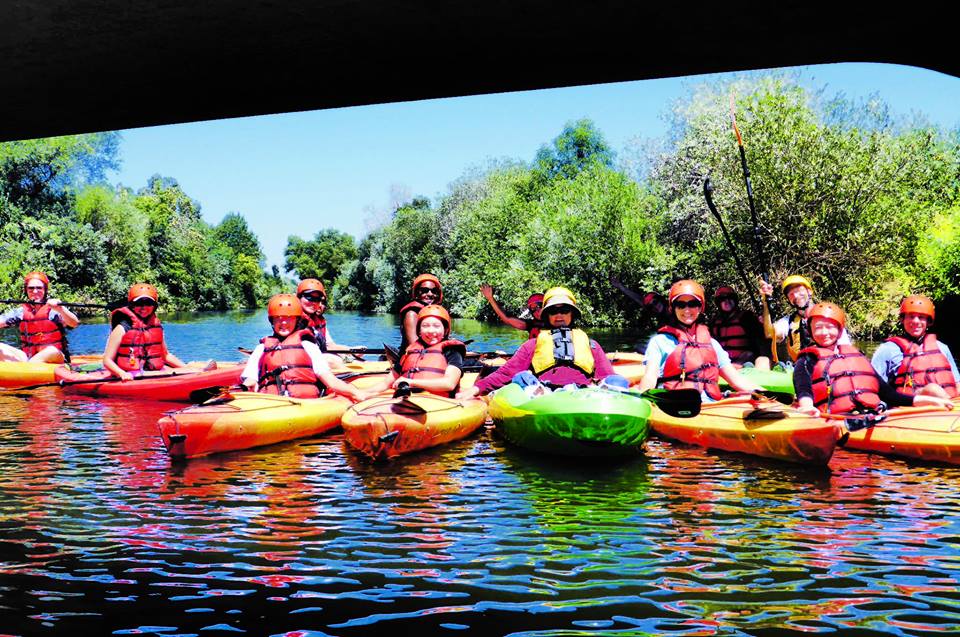
Birthdays, Reunions, etc. Celebrate a special day
Contact us
© 2026 LA River Expeditions. All rights reserved.